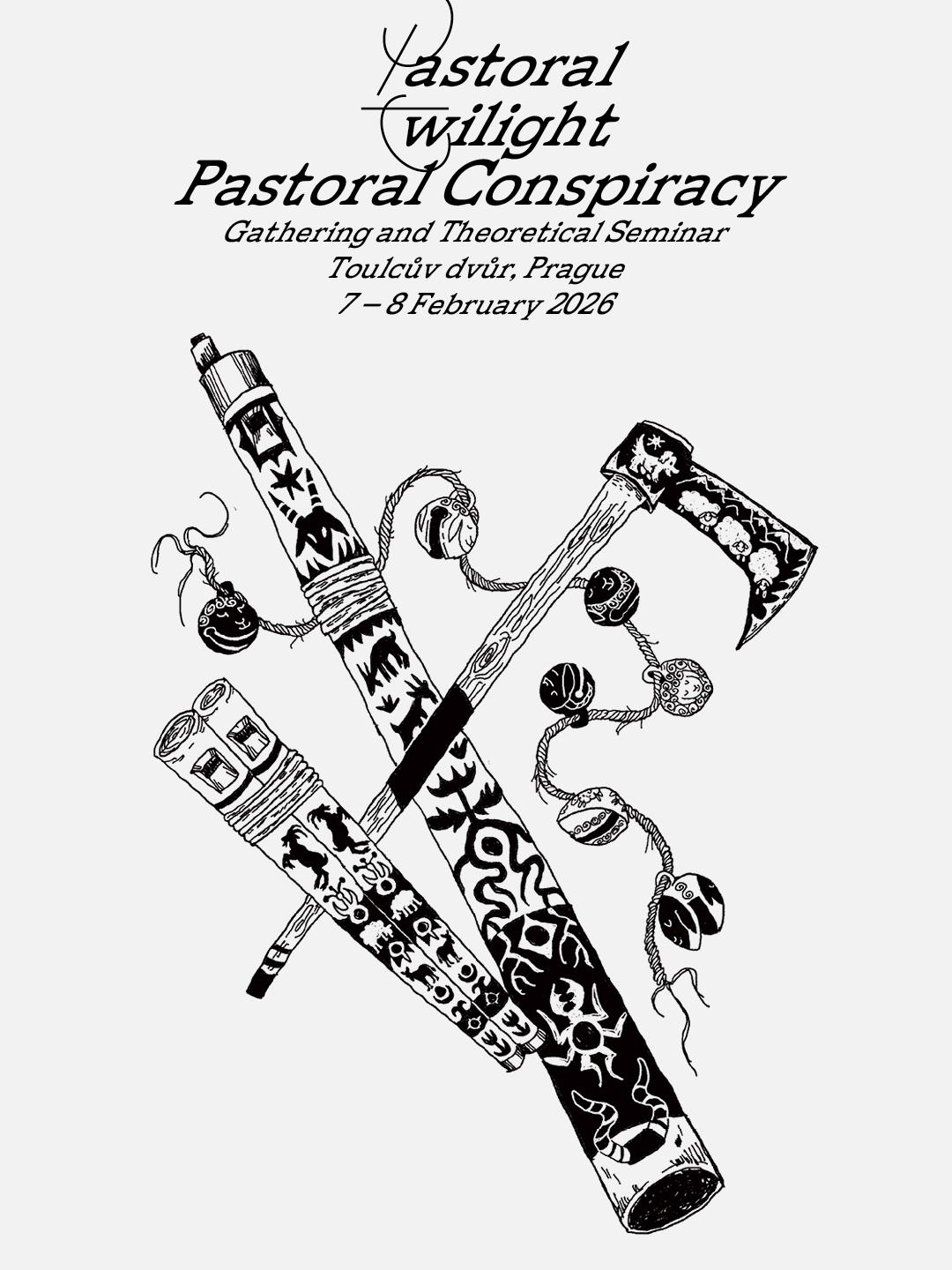
Pastoral Conspiracy Gathering and theoretical seminar Toulcův dvůr – Hall 1 Kubatova 32/1, Prague 10 – Hostivař
6 Feb 2026 Internal pastoral gathering 7–8 Feb 2026 Theoretical seminar for the public
*Full video documentation of the presentations and theoretical seminar from Pastoral Conspiracy is available on Artyčok.TV and on the Woods' YouTube channel.
The event’s capacity is limited. The public may register only for the theoretical seminar on 7–8 February 2026. You can register here.
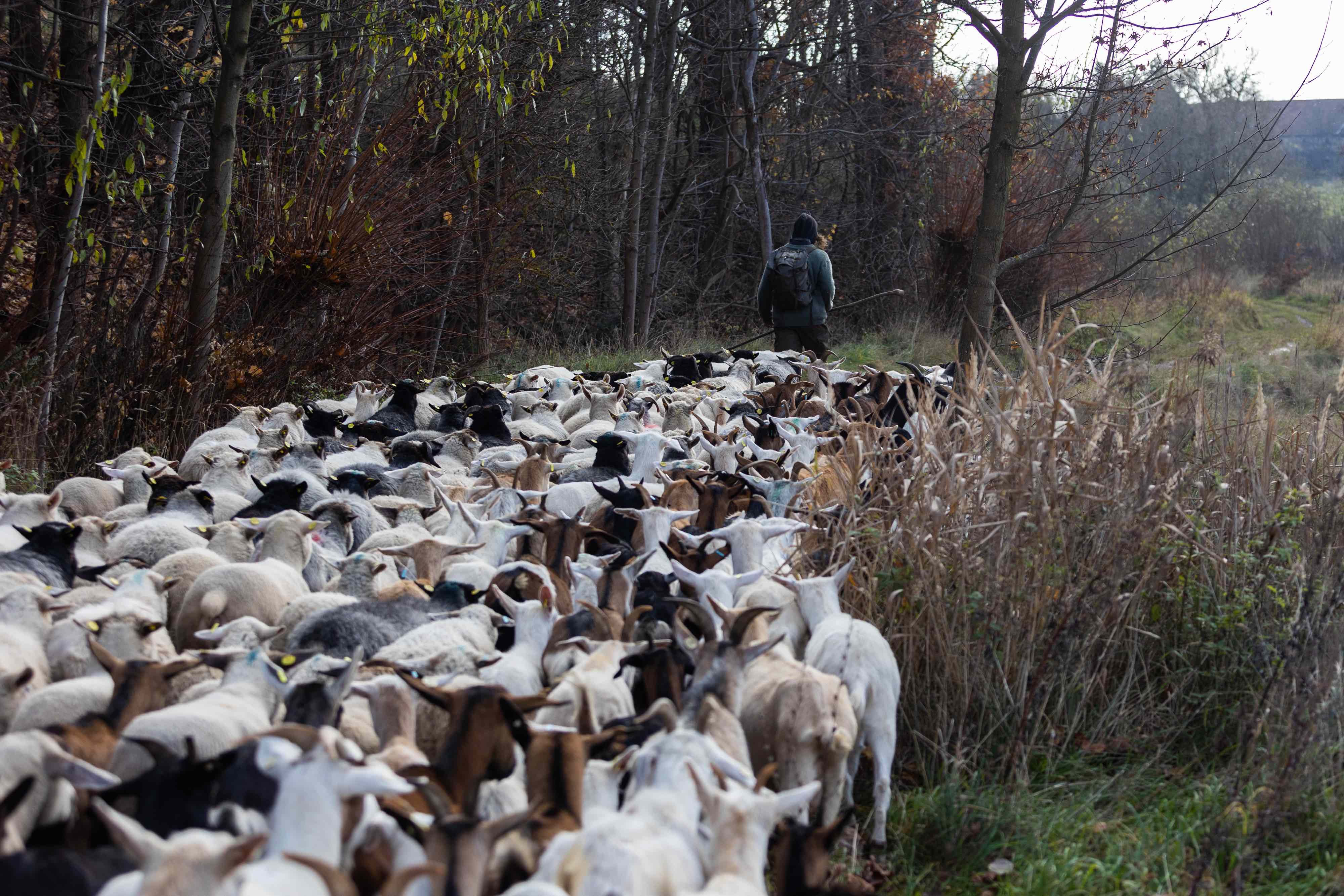
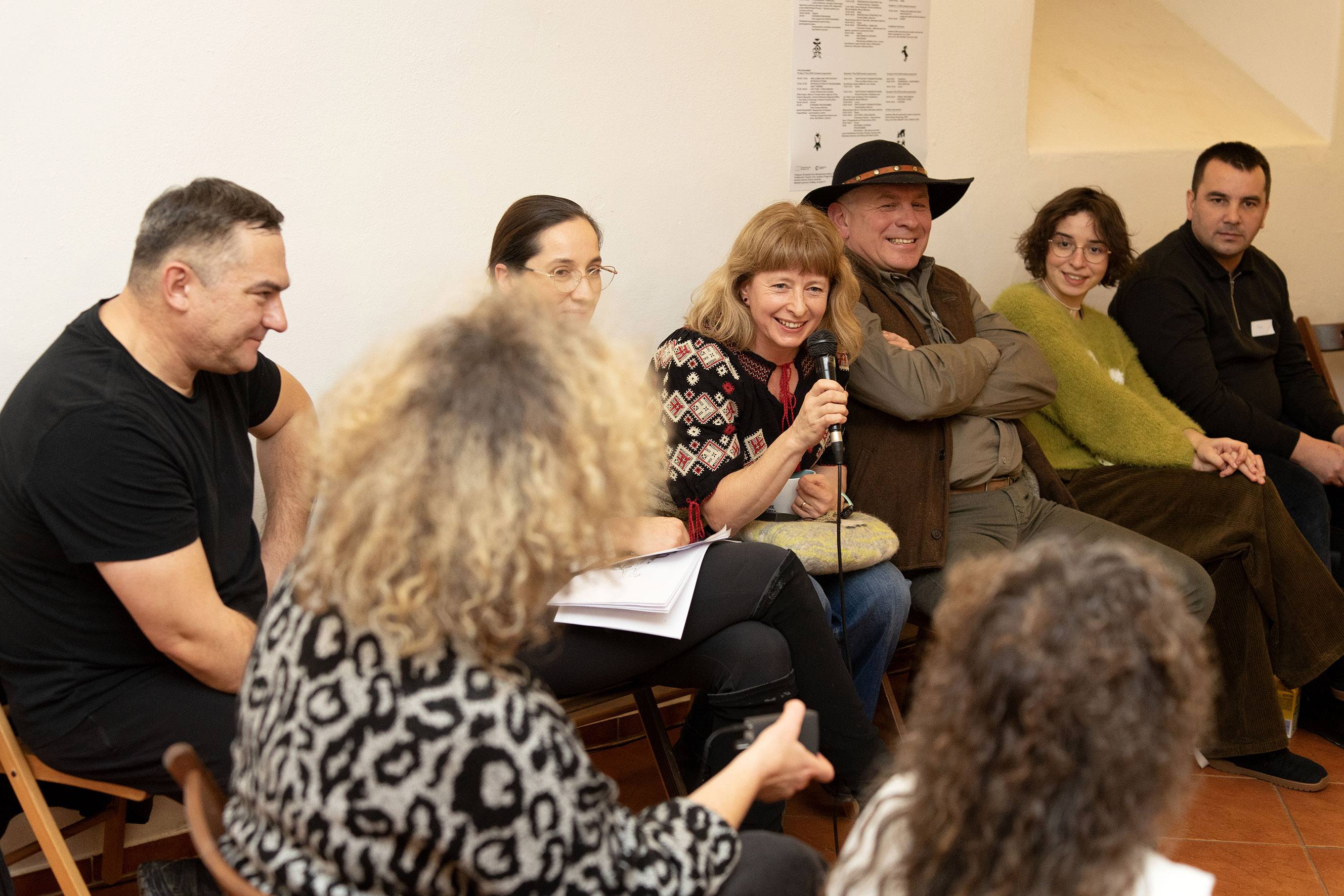
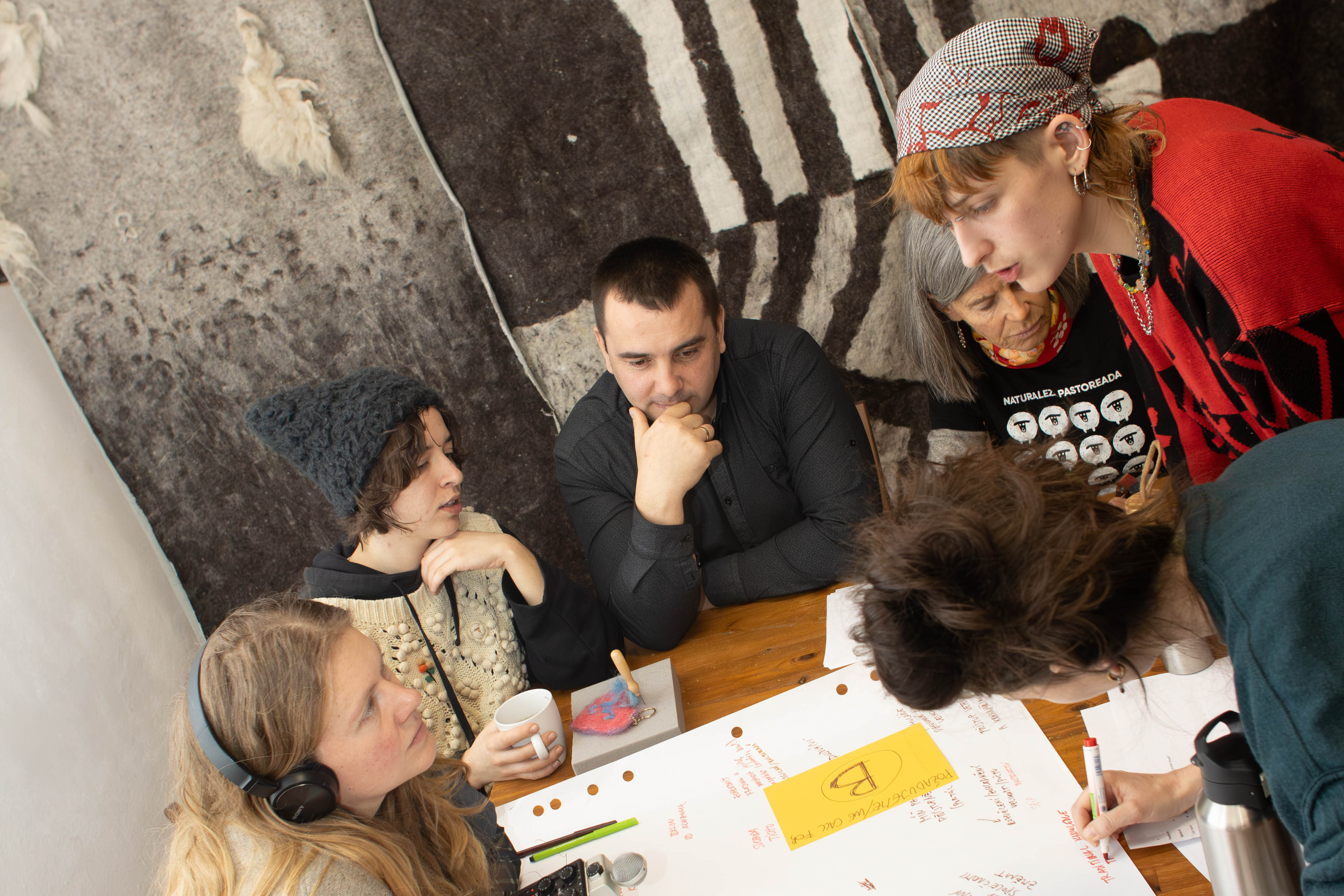
The pastoral gathering will bring together herders, shepherds, and people from related fields from Czechia and Europe. This three-day meeting aims to map the participants’ shared expectations, needs, and interests, and will conclude with a panel discussion.
The gathering will focus on the themes of livestock management, the rights of herders and their animals, the preservation of pastoral culture, ecosystem regeneration, and the creation of a platform for future collaboration.
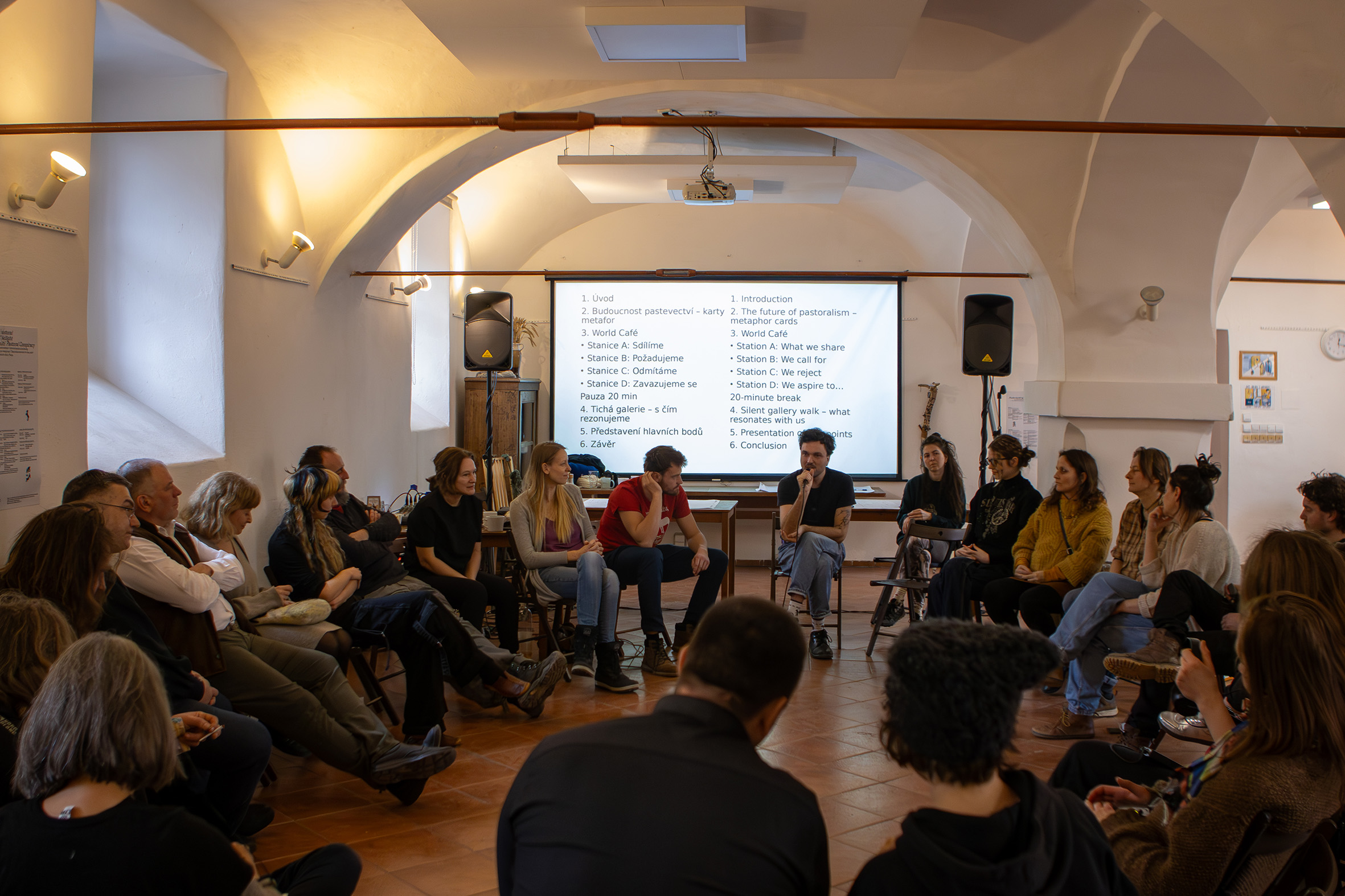
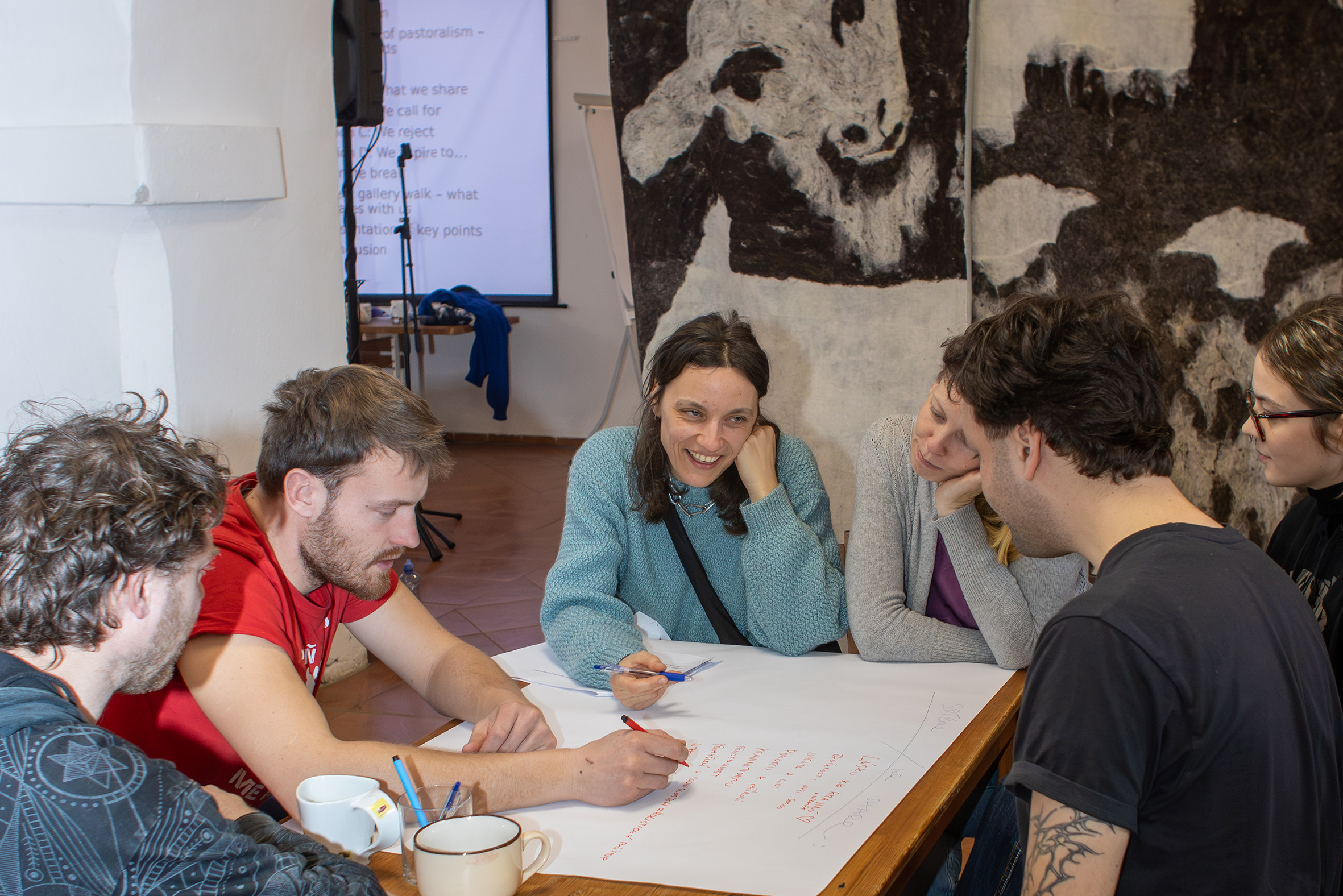
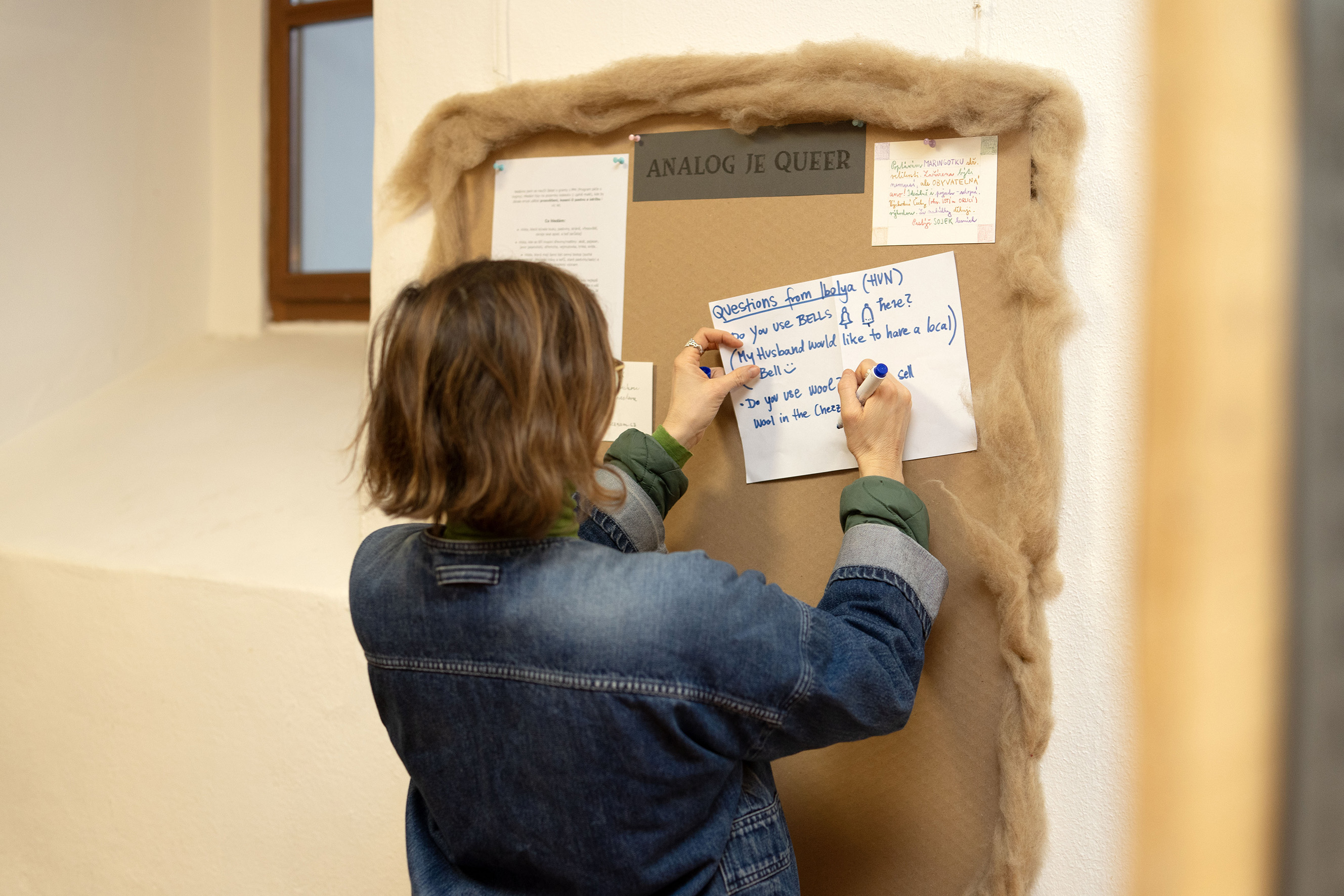
The programme will include both public and internal events– presentations by individual guests, lectures, a tasting of products, discussions, music, a participatory project, a collective shepherds’ declaration, and a public panel discussion.
Pastoral Conspiracy is part of the two-year international project Pastoral Twilight: Initiative for rural cultures, which includes three organisations: Are: Woods (Czechia), BAU (Italy), and Verpėjos (Lithuania).
This project aims to support pastoral systems that care for landscapes and animals in an ecocentric way by connecting artistic and educational approaches with regenerative agricultural practice. Whereas pastoralism is declining across Europe, Pastoral Twilight cultivates shared strategies of resilience for the future of pastoralism and fosters relationships among European herders from the former Eastern Bloc.
Participants:
Czech Republic Michaela Hyklová (Vlákna života, Vsetín), Petra Kutáčková (Hospodářství u kozy a petržele, Ždánický les near Brno), Michal Milerski (Nydecki Owieczki, Nýdek), Martina Skohoutilová (Pražská pastvina, Prague), Martin Trávníček (Pestré Polabí, Dříteč), Jan and Vladislava Velík, Richard Souček (Farma Jana a Vladislavy Velíkových, Brdy), Tomáš Zděblo (Jestřábník, Roztoky)
International Michal Bažalík (Víno Bažalík, Slovakia), Katalin Erdődi (curator, Hungary), Laura Garbštienė and Ugnė Venckė (Verpėjos, Lithuania), Zsófia Szonja Illés (artist and filmmaker, Hungary), Ivana Kodajová (Vlčí Vrch, Slovakia), Piotr and Maria Kohut (Fundacja Pasterstwo Transhumancyjne, Poland), Francesca Pasetti (Regional IYRP Support Group, Spain), Ibolya Sáfiánné (Hungarian Women Herders, Hungary), Ivan Yatsko (Synevyr community, Ukraine)
Curated by: Pastvina group (anto_nie, Edith Jeřábková, Denisa Langrová, Ruta Putramentaite, Alex Sihelsk*, Kateřina Žák Konvalinová) as part of ARE: Woods (Czechia), Laura Garbštienė and Ugnė Venckė (Verpėjos, Lithuania)
The programme will take place in the participants’ languages with English interpretation.
Programme
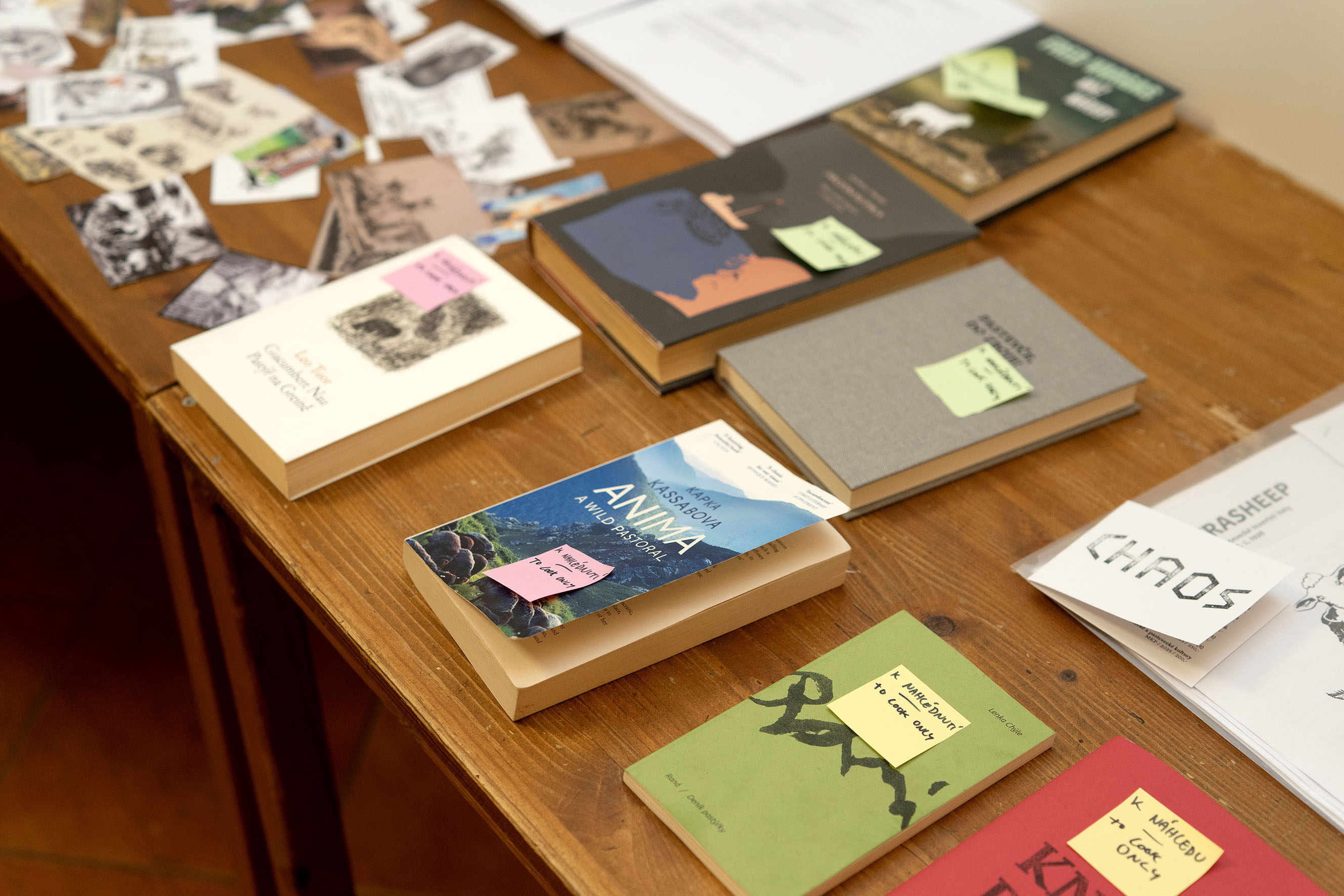
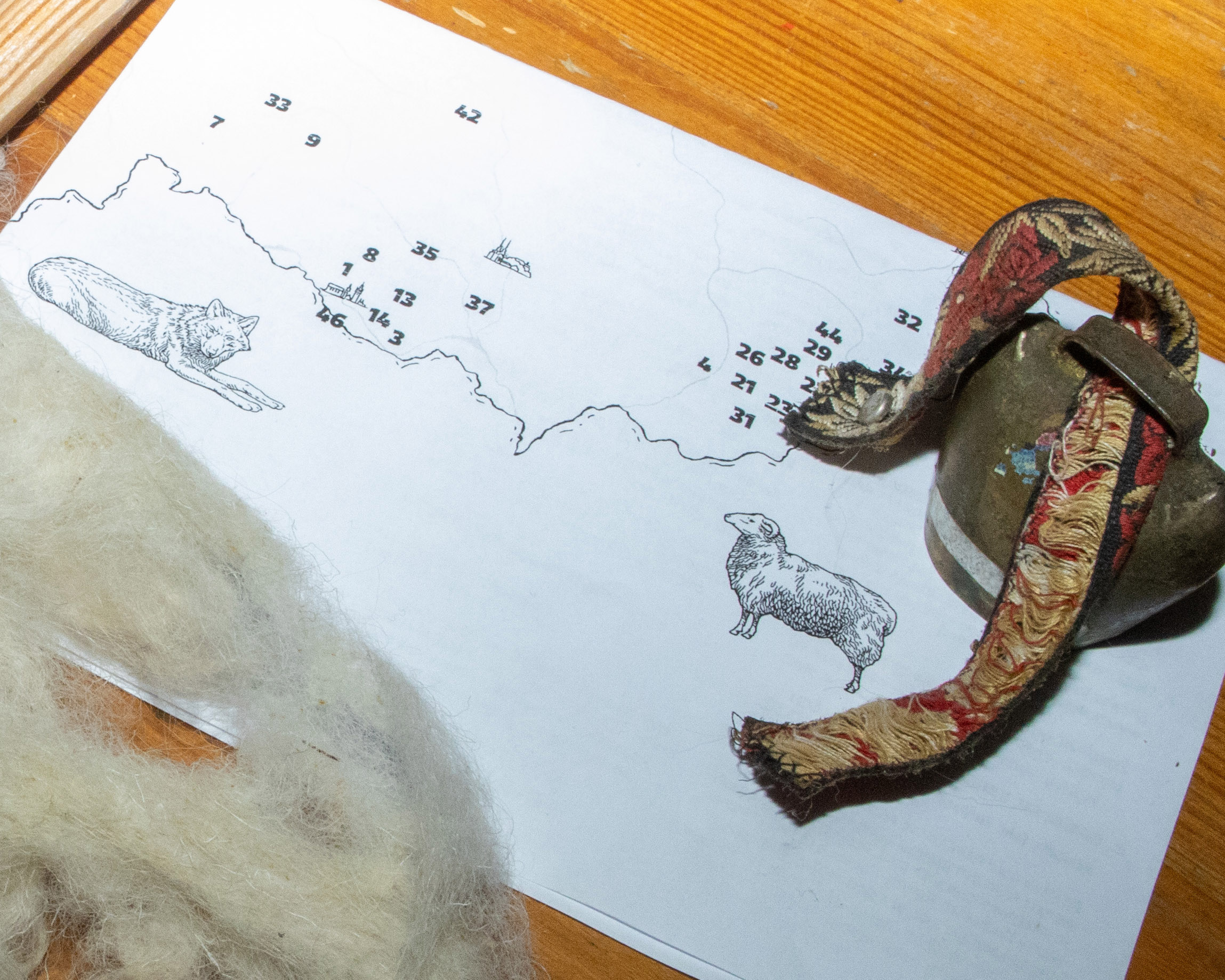
Friday 6 Feb 2026 (closed programme) 16.00–17.00 WELCOME AND PARTICIPANT INTRODUCTIONS 17.00–17.30 INTRODUCTION OF PROGRAMME AND THEMES 17.30–19.00 LECTURE + DISCUSSION: Lucie Hrůzová and Jaroslav Obermajer, Nature Conservation Agency of the Czech Republic, Central Bohemia Regional Office –The Role of Grazing in Nature Conservation 19.00–20.00 Dinner 20.00 EVENING PROGRAMME Two Drowsy Wolves: KONTRASHEEP. Shepherds’ & Herders’ Classifieds – participatory event Tasting of pastoral products and wine Ida Elastic: concert
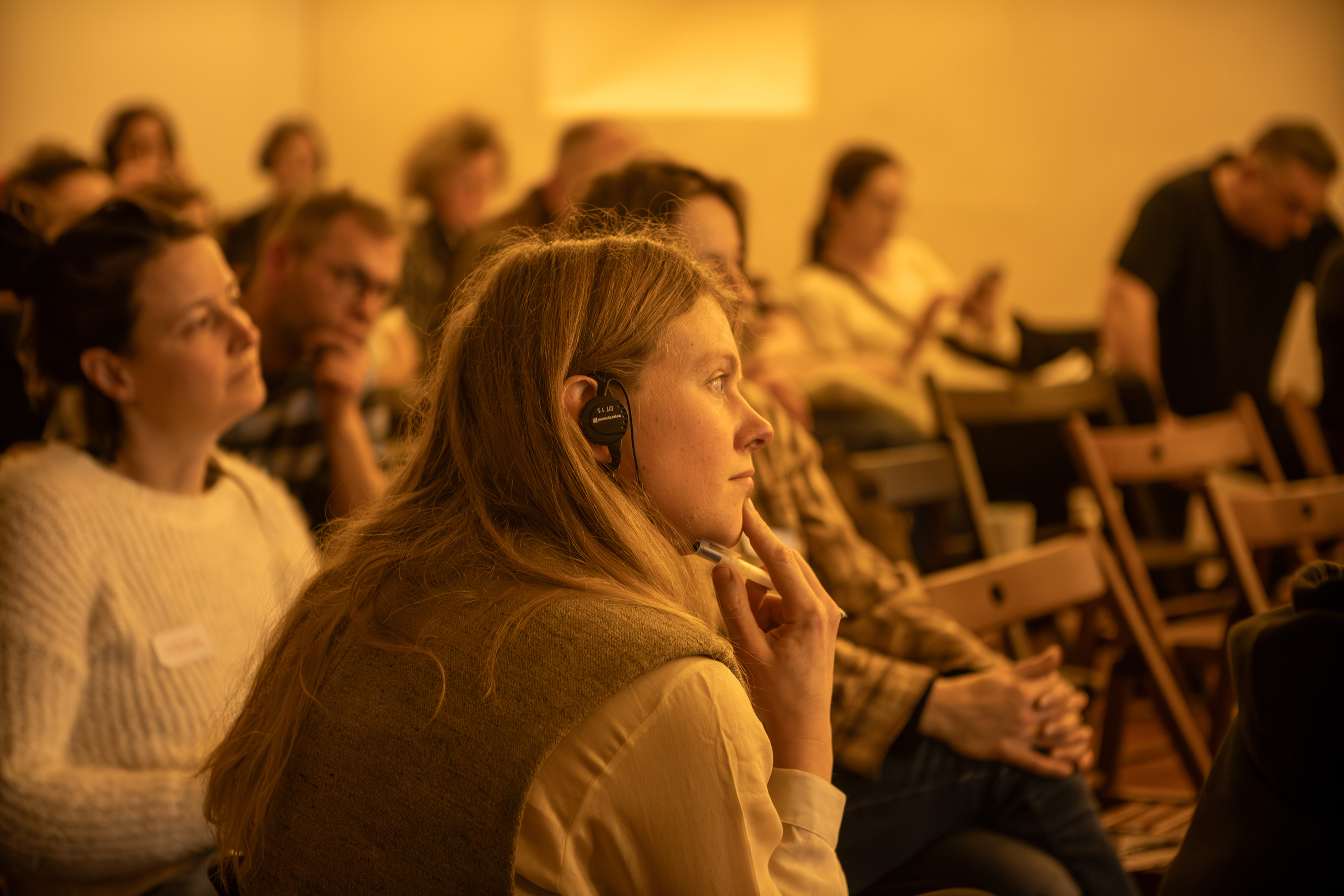
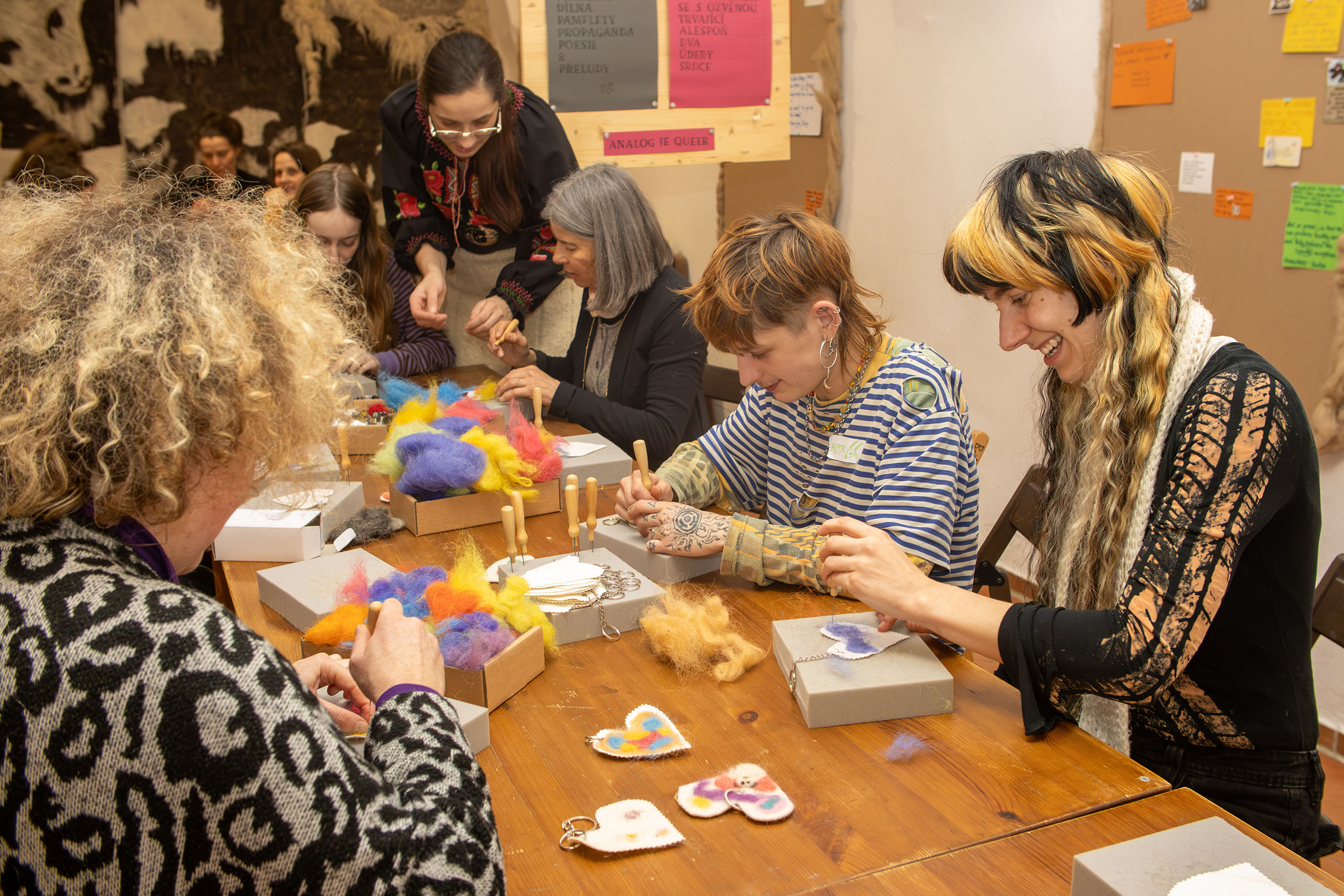
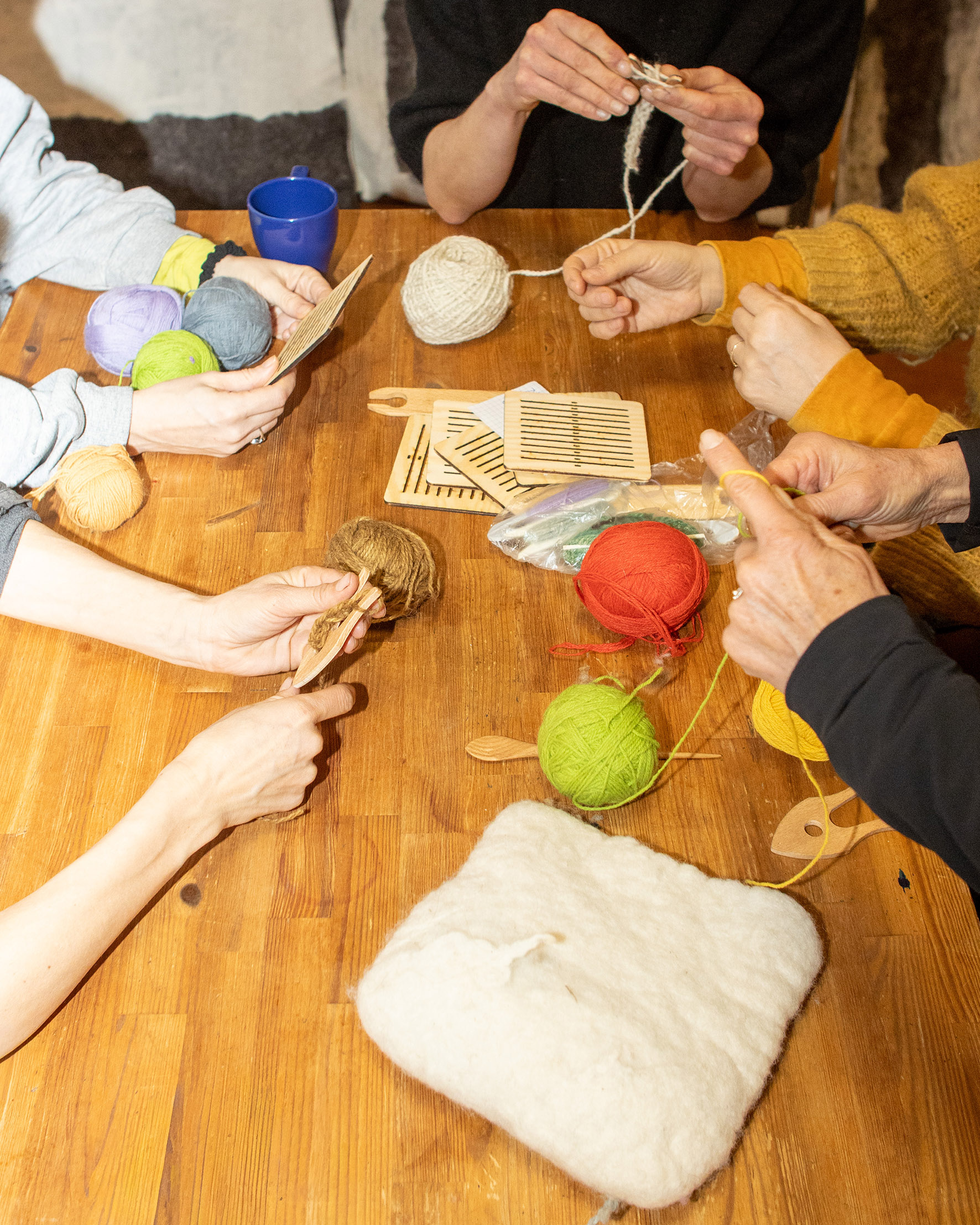
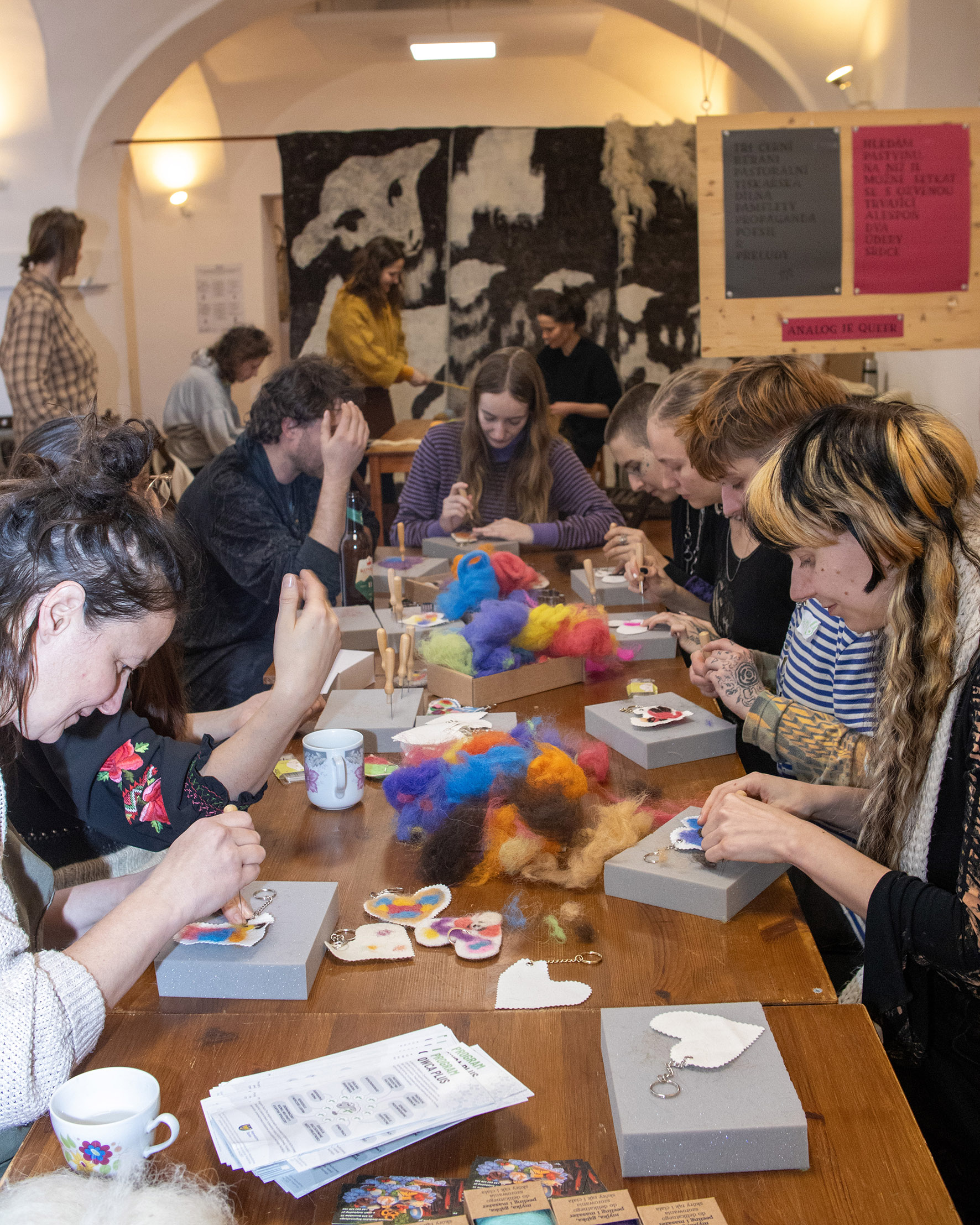
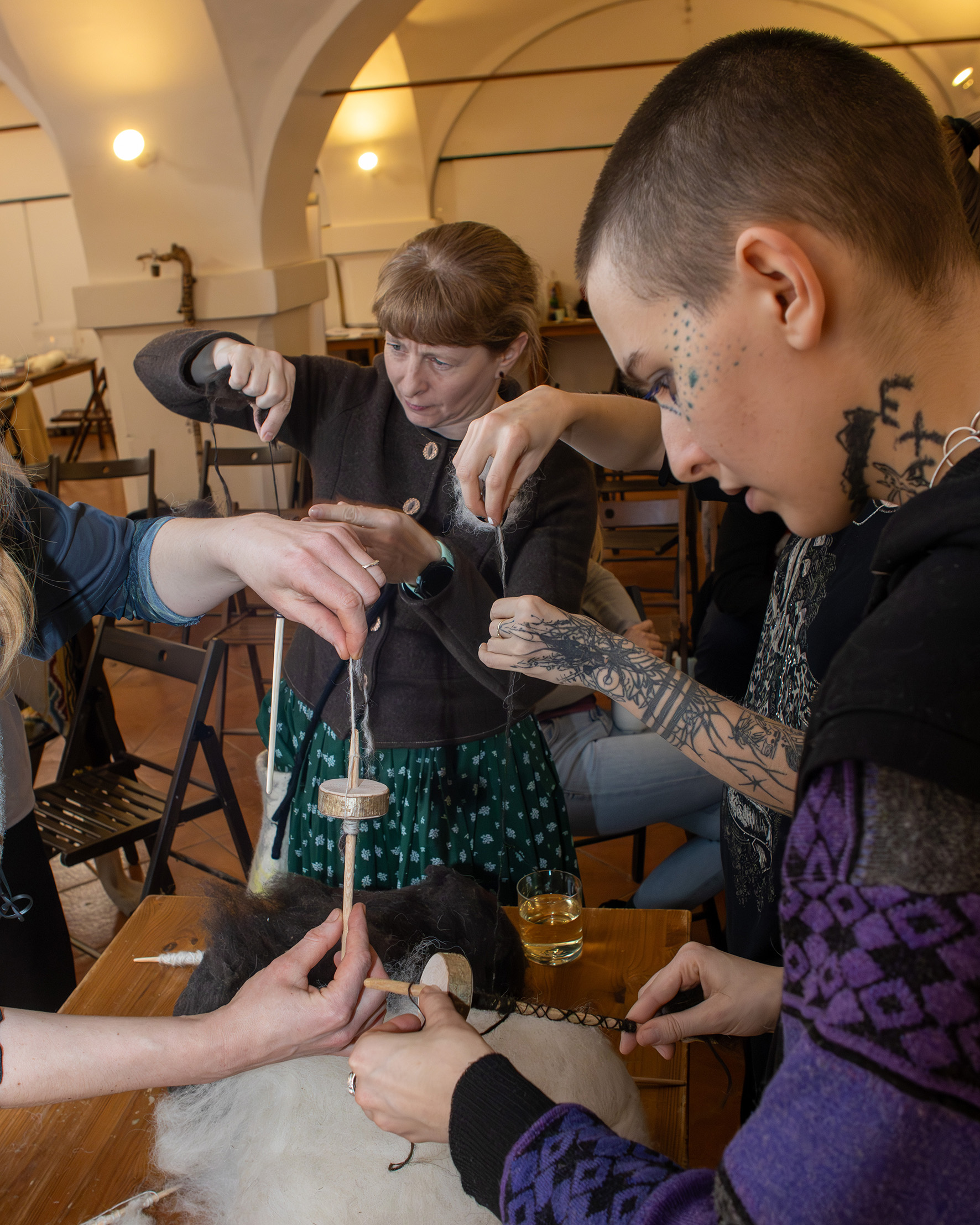
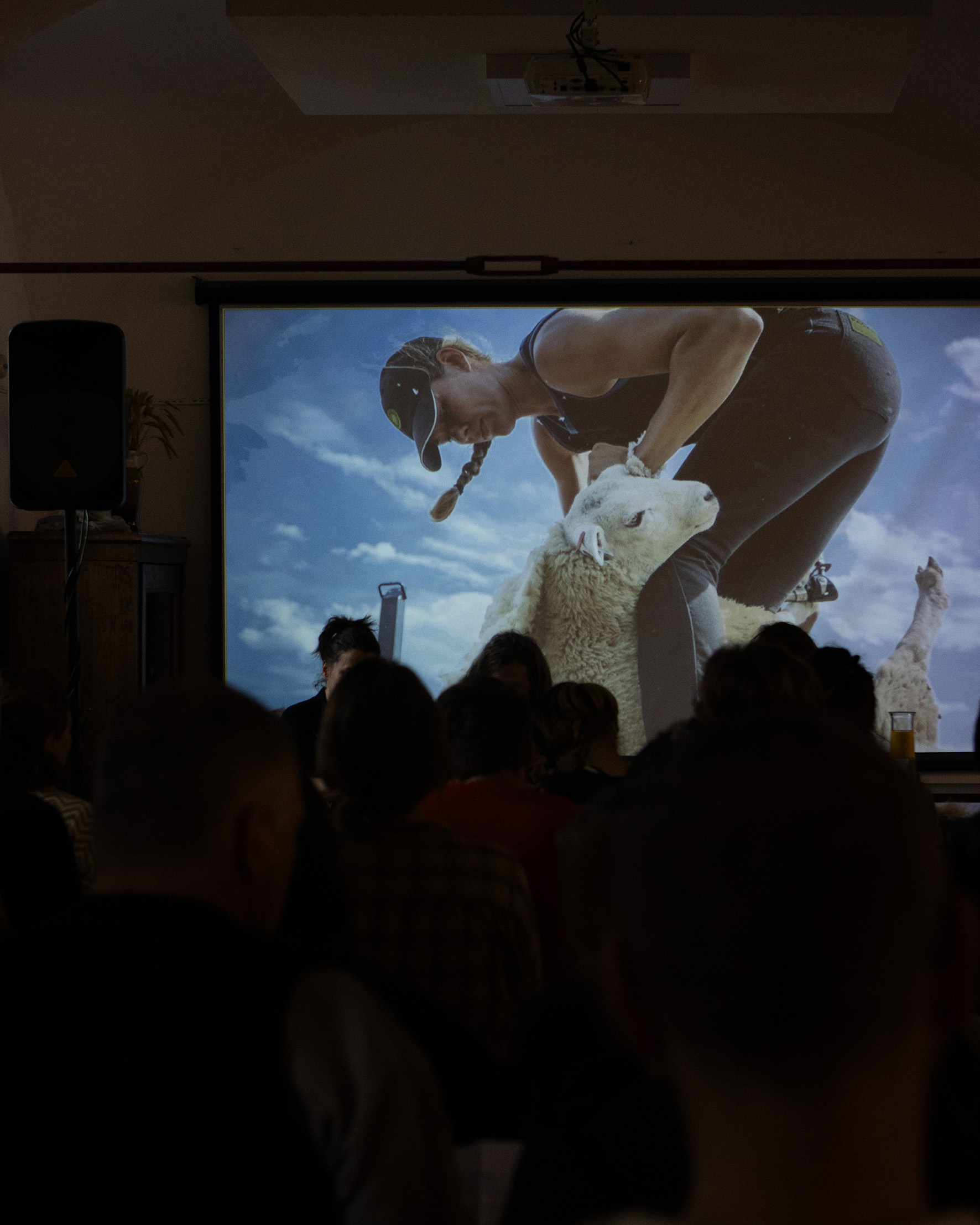
Saturday 7 Feb 2026 (public programme) 9.00–11.00 PARTICIPANT PRESENTATIONS: Piotr and Maria Kohut, Laura Garbštienė, Ibolya Sáfiánné, Ivan Yatsko 11.00–11.20 Break 11.20–13.20 PARTICIPANT PRESENTATIONS: Richard Souček, Vladislava and Jan Velík, Ivana Kodajová, Petra Kutáčková Michal Bažalík, Michal Milerski 13.20–15.00 Lunch 15.00–16.20 PARTICIPANT PRESENTATIONS: Tomáš Zděblo, Martina Skohoutilová, Martin Trávníček, Michaela Hyklová 16.20–16.30 Break 16.30–18.00 LECTURE + DISCUSSION: Francesca Pasetti – International Year of Rangelands and Pastoralists 2026 18.00–19.00 Dinner 19.00 INFORMAL EVENING PROGRAMME: Workshops – Spinning wool with Laura Garbštienė and Ugnė Venckė, weaving with Michaela Hyklová, and felting with Maria Kohut
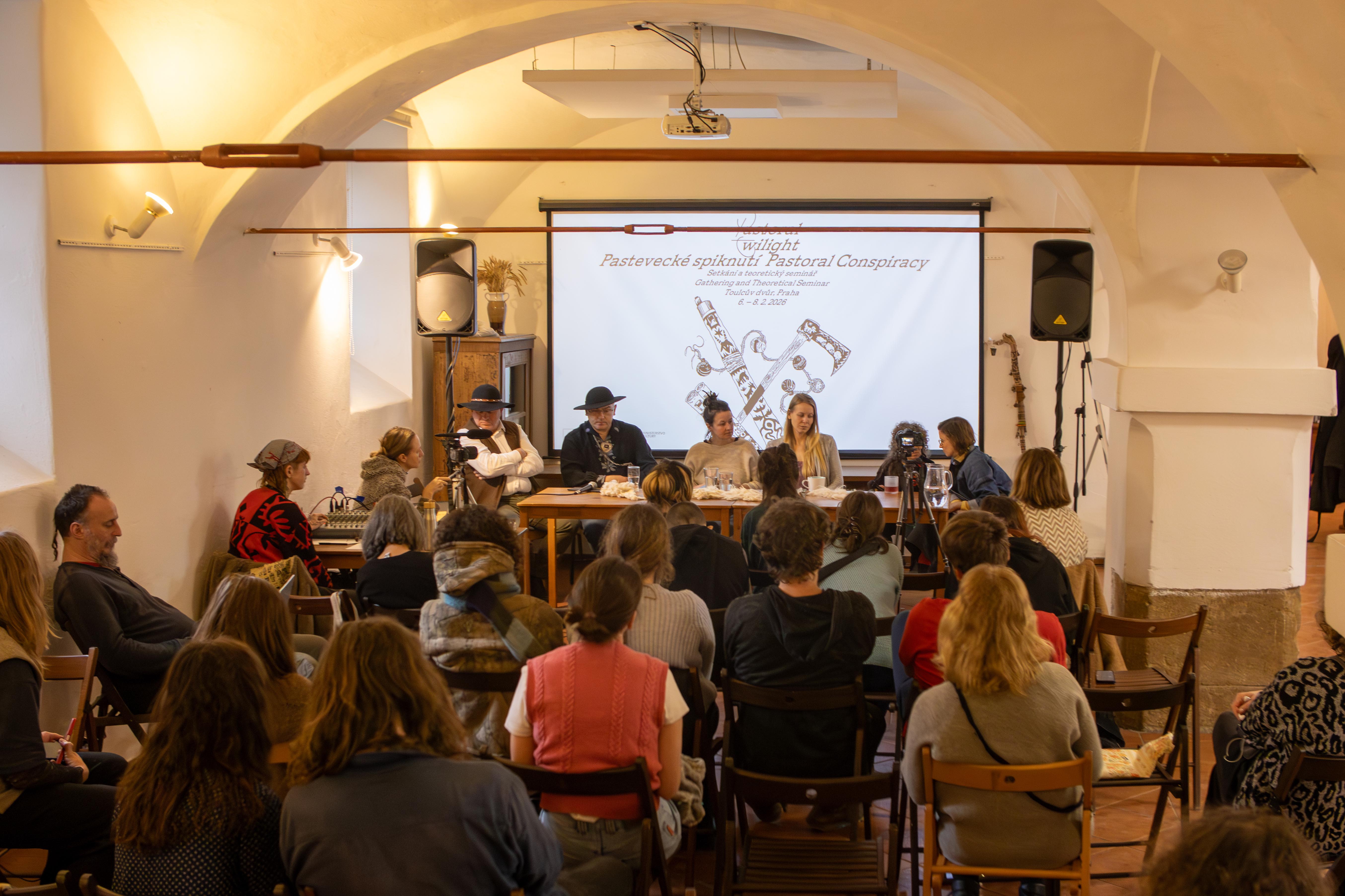
Sunday 8 Feb 2026 (public programme) 13.30–15.30 PANEL DISCUSSION – PASTORAL DAWN 15.30–16.30 CLOSING
Artistic intervention Kateřina Žák Konvalinová & Judita Levitnerová: Rusty Sheep Dreaming, 2024 anto_nie & Alex Sihelsk*: Ace of Wands, 2025
Photos by Eva Kořínková, Markéta Choma, Veronika Čechmánková
* Pastoral Conspiracy is organised within the project Pastoral Twilight: Initiative for rural cultures. The United Nations has declared 2026 the International Year of Rangelands and Pastoralists (IYRP), and the Pastoral Conspiracy has been included in its official programme.
Support provided by: European Union, Ministry of Culture of the Czech Republic Special Thanks to: Toulcův dvůr, Emblem Prague Hotel, Ovenecká 33, Goethe-Institut Czech Republic Media partners: ArtMap, Artyčok.TV
The Pastoral Twilight: Initiatives for rural cultures project is co-funded by the European Union. Views and opinions expressed are however those of the authors only and do not necessarily reflect those of the European Union or the EACEA. Neither the European Union nor the granting authority can be held responsible for them.