Pastoral Twilight: Initiatives for rural cultures is a two-year international project, a collaboration between art organisations ARE: Woods (Czechia), BAU (Italy), and Verpėjos (Lithuania), all of which work in a rural environment.
The project explores how society can have a regenerative relationship to the planet, engage in human–animal activity on the land, and activate experimental pedagogical methods involving people, plants, animals, and fungi. By studying pastoralism and vegetal knowledge at the intersection of art, education, regenerative agriculture, and more-than-human solidarity, Pastoral Twilight serves as an invitation to seek common multispecies culture and education that take account of endangered practices connected with care for the land and food sovereignty.
The project includes an international pastoral gathering and conference, residencies, workshops, an interdisciplinary forest symposium, and the online publication Liminal Animal.
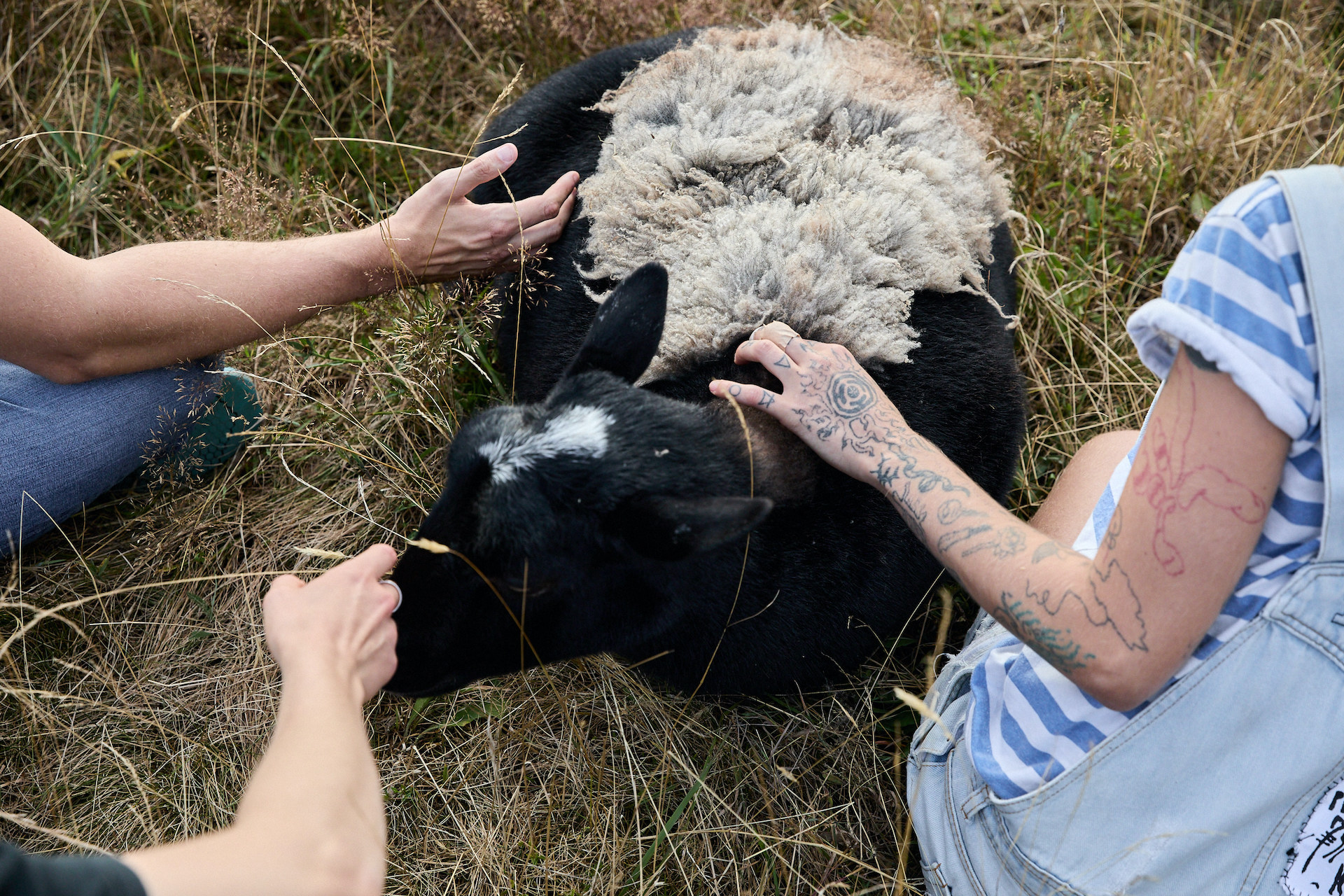
Project Partners Since 2019, the association ARE has been organizing Woods – Community for Cultivation, Theory, and Art. Woods observes places where the interests of art, agriculture, and environmentalism intersect and studies how contemporary art relates to the land, human health, and interspecies coexistence. It follows an ethical and sustainable model for humanity and a regenerative role for humans, not just on the land. Woods is a free association of people from the spheres of art, activism, theory, ecology, and permaculture. Woods takes care of a 2.8-hectare plot – a forest and meadow – together with a small herd of sheep and goats. Woods uses the principles of permaculture care and keeps note of other methods of regenerative agriculture like pastoralism, silvopasture, and syntropic systems. Woods’ most popular public event is the annual (with occasional gaps) interdisciplinary and intergenerational forest symposium, which is always devoted to a particular topic and alternates formats between art, performances, lectures, seminars, readings, facilitative workshops, and more. Every year a children’s forest group develops the topics of the symposium together with children. During the year Woods also organizes other smaller-scale activities in the fields of art, education, and care for the land, garden, and forest. WIGFBles@are-events.org
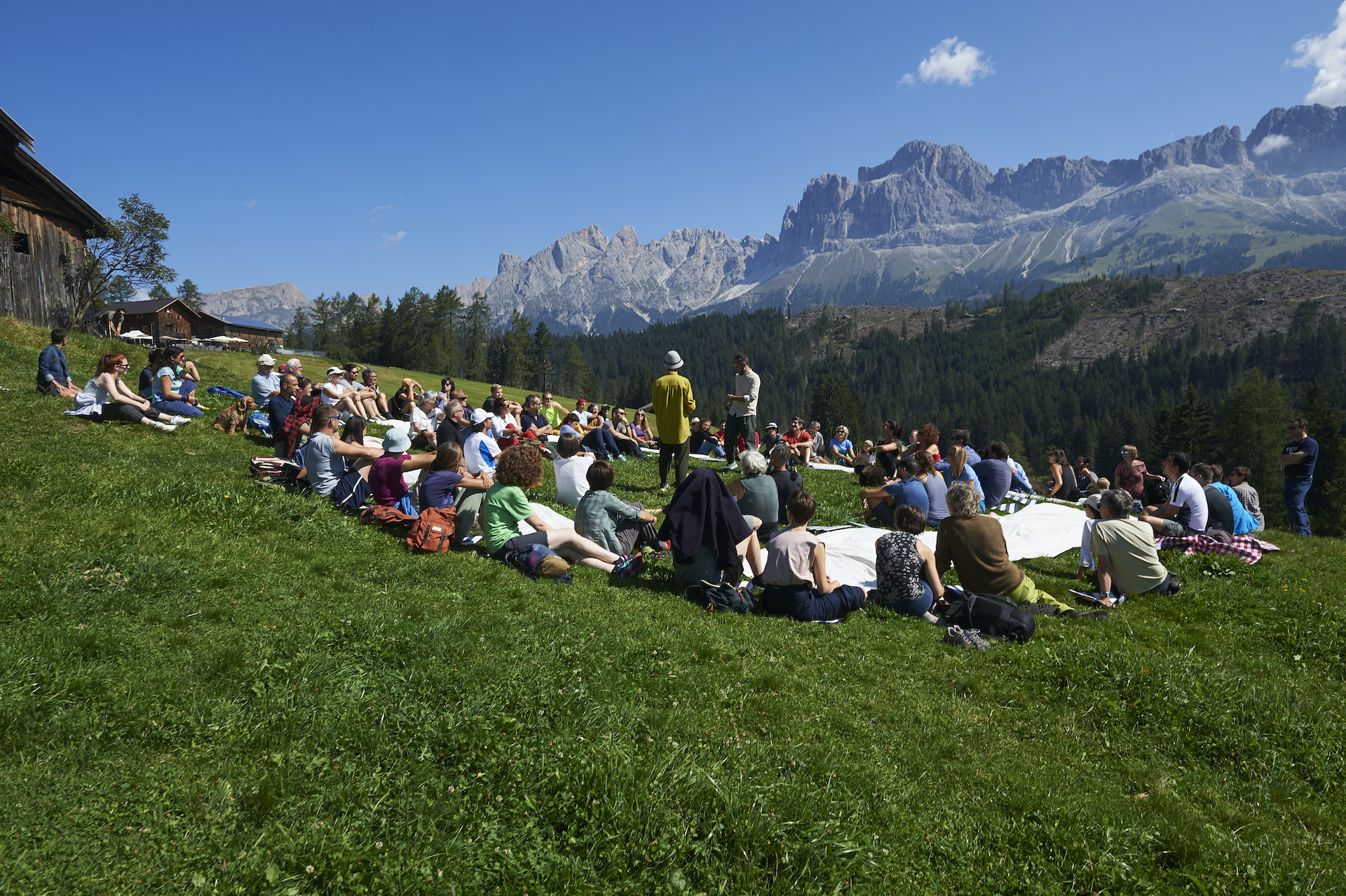
BAU is an institute for contemporary arts and ecology. BAU deals with contemporary art projects that respond to questions of the present, conceiving of nature and culture together and regarding the human with its environment as part of an ecological cycle. It is adynamically evolving structure, shifting with each project, expanding its partnerships and alliances, forming temporary constellations of international artists and local experts within the landscapes of Südtirol – Alto Adige. At the heart of BAU is its residency program, running since its inception, inviting artists and collectives to develop projects that emerge from the rhythms and specificities of this rural terrain. These projects unfold in dialogue with local partners, fostering an exchange of knowledge that is reciprocal and rooted in respect. BAU moves fluidly between roles—curator, cultural producer, mediator—seeking to dissolve the rigid boundaries between local and global, instead experimenting with ways of gathering where landscape, the human, and the more-than-human speak to one another. BAU is constantly exploring alternative models of education in collaboration with local partners such as art institutions, universities, schools, and farms. Since 2022, for example, BAU has been developing educational projects in partnership with a school, farmers and artists at Caldera, an agronomist’s glasshouse in the village of Algund / Lagundo (Italy). WIGFBinfo@b-a-u.it
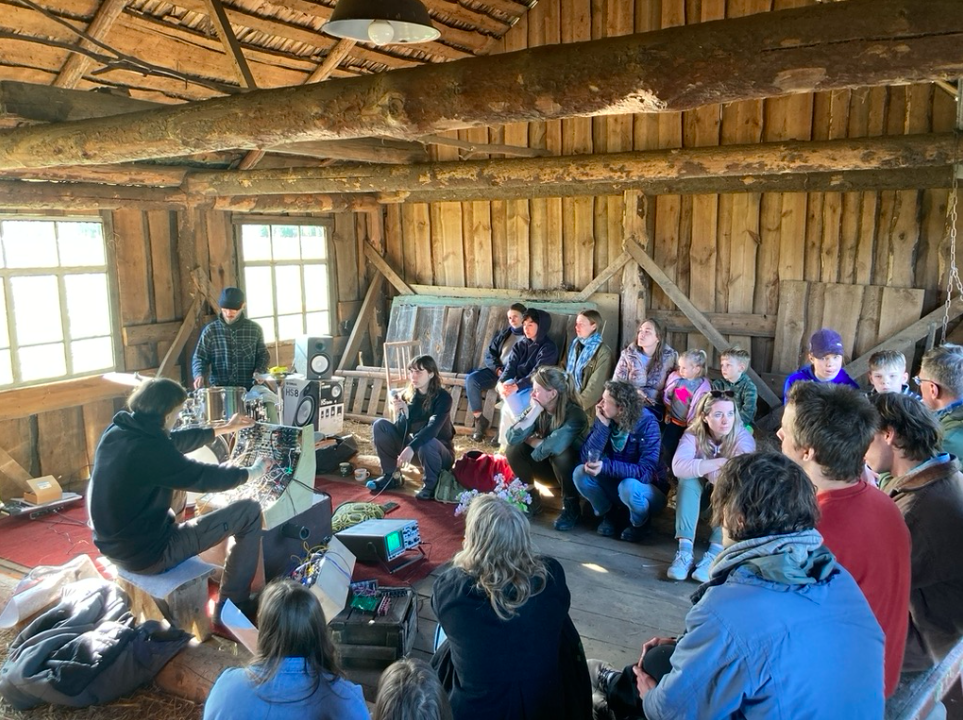
Verpėjos has fostered artistic engagement with rural life and nature conservation in southern Lithuania since 2017. Based in a traditional countryside environment, Verpėjos promotes cultural exchange and sustainable creative practices rooted in local heritage while opening dialogue with broader global processes of change. The initiative curates the Marcinkonys Station Gallery and runs an international artist residency programme that encourages slow artistic research and long-term value creation for both artists and communities. Through its “creative pastures” residency, artists are invited to live and work in a traditional homestead while collectively caring for a flock of sheep, opening new perspectives on human–environment relationships in the Anthropocene. Within this framework, Verpėjos also publishes Shepherds’ Notes, a platform where ideas, reflections, and artistic traces of participating shepherd-artists meet. Verpėjos works closely with national and international cultural institutions and local communities to develop collaborative projects that interweave art, ecology, and everyday rural experience. WIGFBinfo@verpejos.lt
Photos by Jan Kolský, Gregor Khuen Belasi, and Laura Garbštienė.
The Pastoral Twilight project is co-funded by the European Union, under the Creative Europe programme. Views and opinions expressed are however those of the authors only and do not necessarily reflect those of the European Union or the EACEA. Neither the European Union nor the granting authority can be held responsible for them.
The project is also supported by the Ministry of Culture Czech Republic, the Pardubice Region and the Autonomous Province of Bolzano – Office for German Culture.